
Heartbeat 1 -
Camera FV-5 is a professional camera application for enthusiasts, power users, professionals, and everyone in-between. Features a modern and fast camera experience that puts DSLR-like manual camera controls at your fingertips.

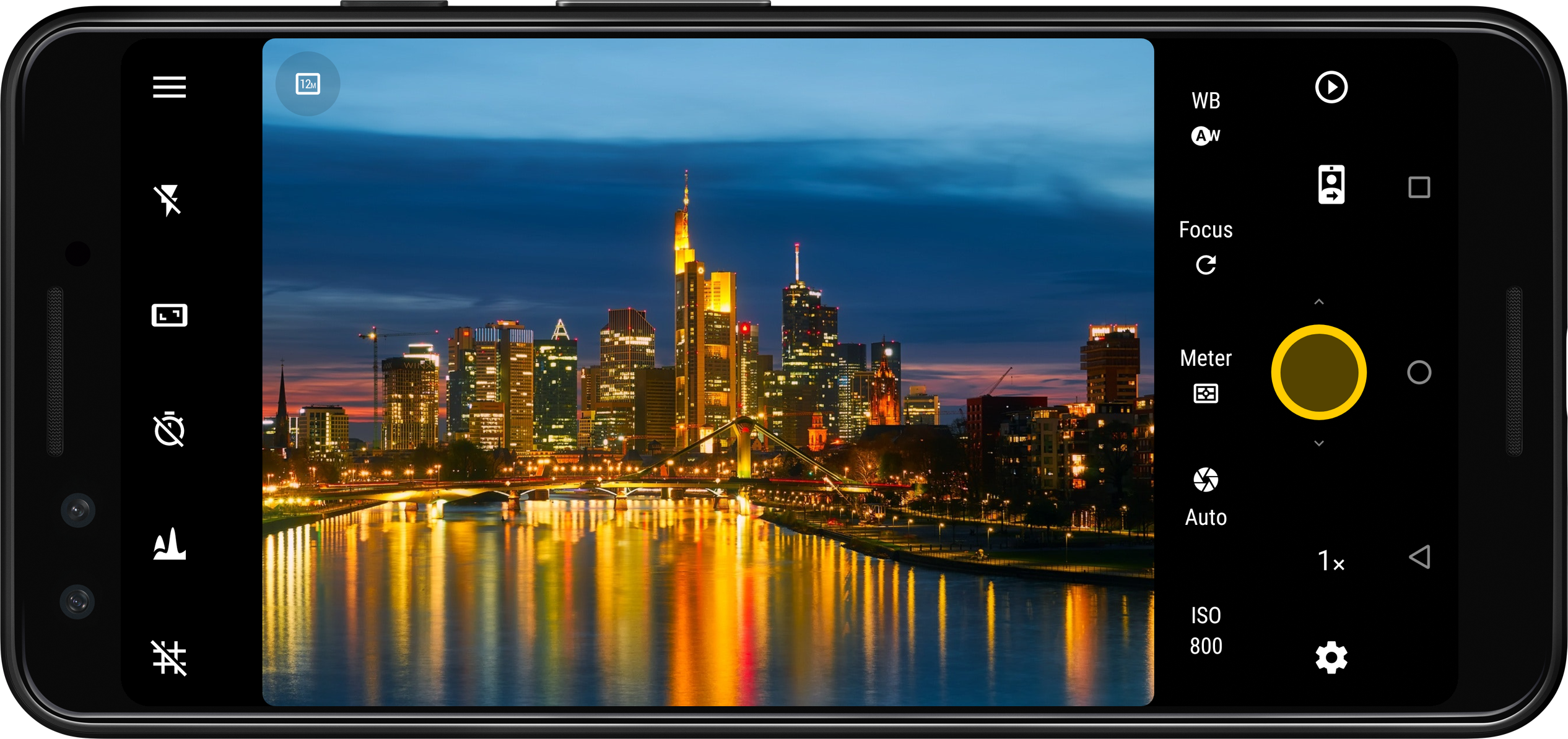

Camera FV-5 is a professional camera application for enthusiasts, power users, professionals, and everyone in-between. Features a modern and fast camera experience that puts DSLR-like manual camera controls at your fingertips.

Supports switching to any rear and front cameras, with manual controls for every camera.

With 10 composition grid overlays and 9 crop guides, combinable with each other.

Fast and simultaneous capture in JPEG and DNG formats, for complete flexibility in post-processing.

Zoom with pinch gesture, by using the shutter button as zoom rocker or use the volume keys!

The exposure compensation is always available by swiping on the viewfinder.

Many options like shutter, zoom, exposure, white balance or camera switching are assignable to the volume keys.
The heartbeat, also known as the cardiac cycle, is the sequence of events that occurs in the heart with each beat. It is a vital process that pumps blood throughout the body, supplying oxygen and nutrients to tissues and organs. A normal heartbeat is crucial for maintaining good health, and any irregularities can lead to serious health issues.
A normal adult heartbeat rate ranges from 60 to 100 beats per minute (bpm). The rhythm of the heartbeat is controlled by the sinoatrial (SA) node, a natural pacemaker located in the right atrium. The SA node sends electrical signals to the atrioventricular (AV) node, which then transmits the signals to the ventricles, causing them to contract.
Take photos with multiple different exposures automatically.
New in version 5Now supports instantaneous capture even with JPEG+DNG on thousands of devices!


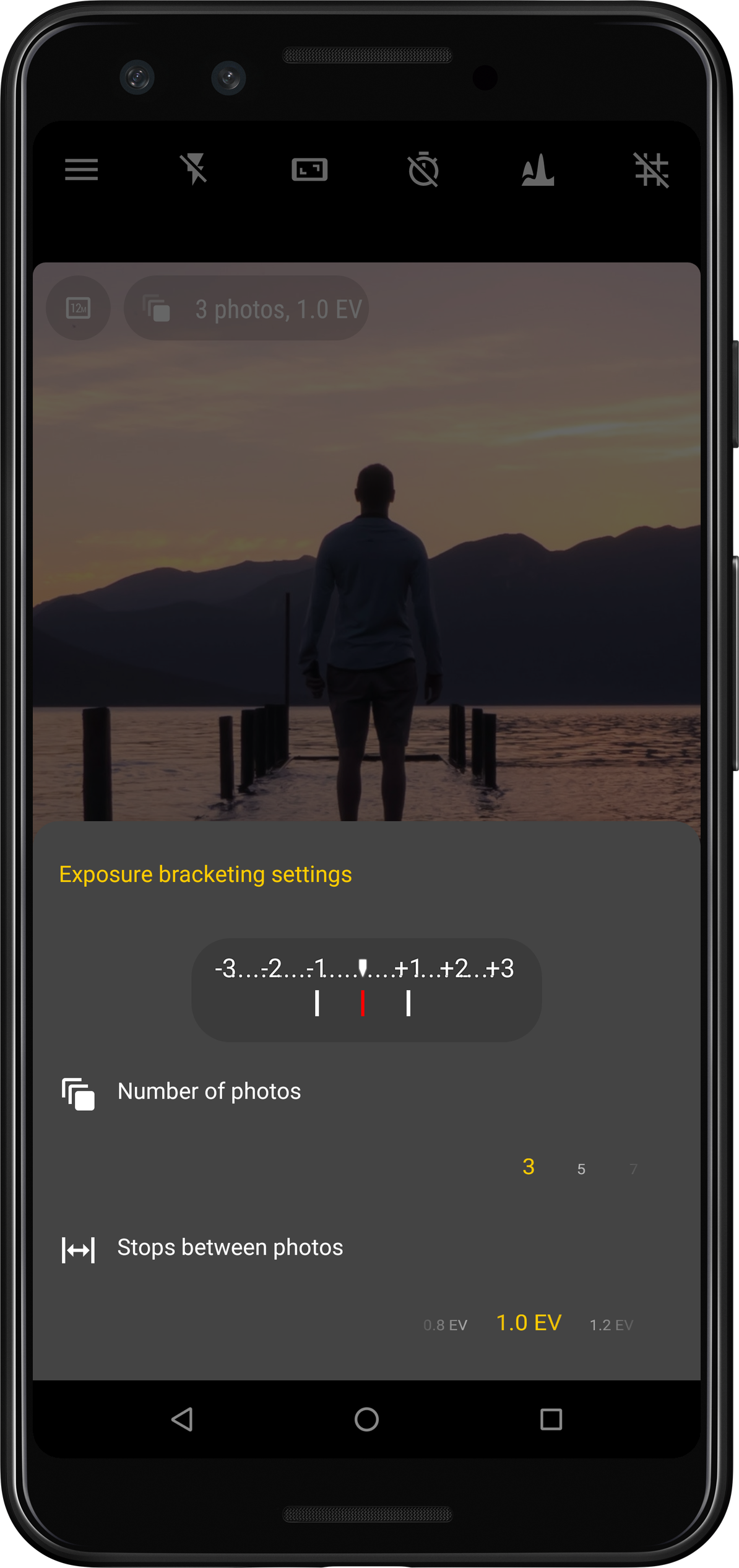

Capture picture series at regular intervals automatically (for instance timelapses or slow moving scenes)


The heartbeat, also known as the cardiac cycle, is the sequence of events that occurs in the heart with each beat. It is a vital process that pumps blood throughout the body, supplying oxygen and nutrients to tissues and organs. A normal heartbeat is crucial for maintaining good health, and any irregularities can lead to serious health issues.
A normal adult heartbeat rate ranges from 60 to 100 beats per minute (bpm). The rhythm of the heartbeat is controlled by the sinoatrial (SA) node, a natural pacemaker located in the right atrium. The SA node sends electrical signals to the atrioventricular (AV) node, which then transmits the signals to the ventricles, causing them to contract.

