In recent years, the digital classroom has expanded beyond static maps and printed atlases to include dynamic, interactive experiences. Among these, unblocked games—web-based games accessible without restrictive filters—have become unexpectedly valuable tools for teaching geography. Often dismissed as mere entertainment, many free and popular ("hot") unblocked games can reinforce spatial thinking, cultural knowledge, and geographic skills when integrated thoughtfully into lessons. This essay explores how such games support learning, the benefits and challenges of using them, examples of effective game types, and practical guidance for teachers who want to harness these resources responsibly.
Why games work for geography Cognitive and motivational research shows that learning is deeper when learners are actively engaged and receive immediate feedback. Geography requires spatial reasoning, pattern recognition, and an understanding of human–environment interactions—skills well suited to interactive simulations and map-based games. Games transform abstract concepts (latitude/longitude, scale, biomes, migration patterns) into manipulable scenarios: students can zoom, rotate, predict outcomes, and test hypotheses. The element of play increases attention and persistence; a timed challenge to identify countries or a city-planning simulation encourages repetition and retrieval practice, which strengthens memory. geography lessons unblocked games free hot
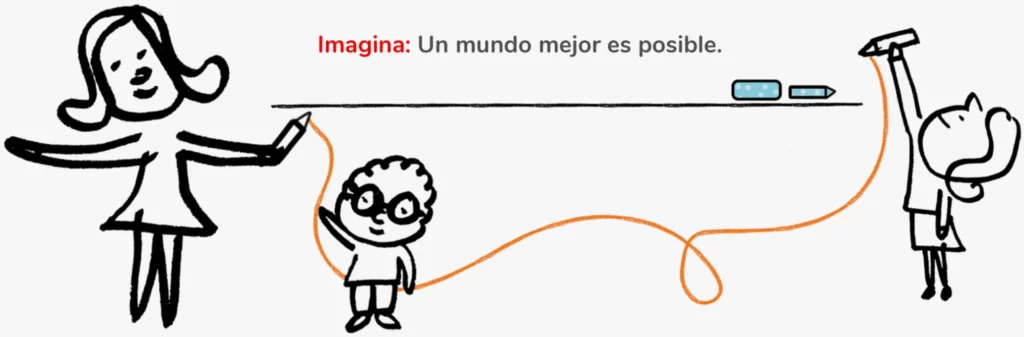
Imaginar es un poder: idear, concebir y crear algo nunca visto. Es construir un mundo mejor para que sea hogar del otro. Es hacer conexiones deslumbrantes con lo que sabemos. Imaginar hace grande el conocimiento. Es el camino para ir a todas partes y llenarse del mundo con libertad, para innovar en él y tomar riesgos. Imaginar es educar y maravillarse. Es la llave del aprendizaje que desarrolla el pensamiento abstracto y el pensamiento crítico. Es encontrar soluciones a los problemas. Imaginar es la emoción de saber cómo relacionarse con los demás y con el entorno. Es avanzar: ir de la percepción al aprendizaje significativo para realizar creaciones artísticas, científicas y técnicas. Imaginar es un poder para mejorar nuestra comunidad y contribuir al cuidado del planeta.