INFORMATION
2025/12/04
The update patch ver. 1.3.0 for the Nintendo Switch version is now available.
[Main update contents]
・Added current events conversations for October 2022 to April 2025
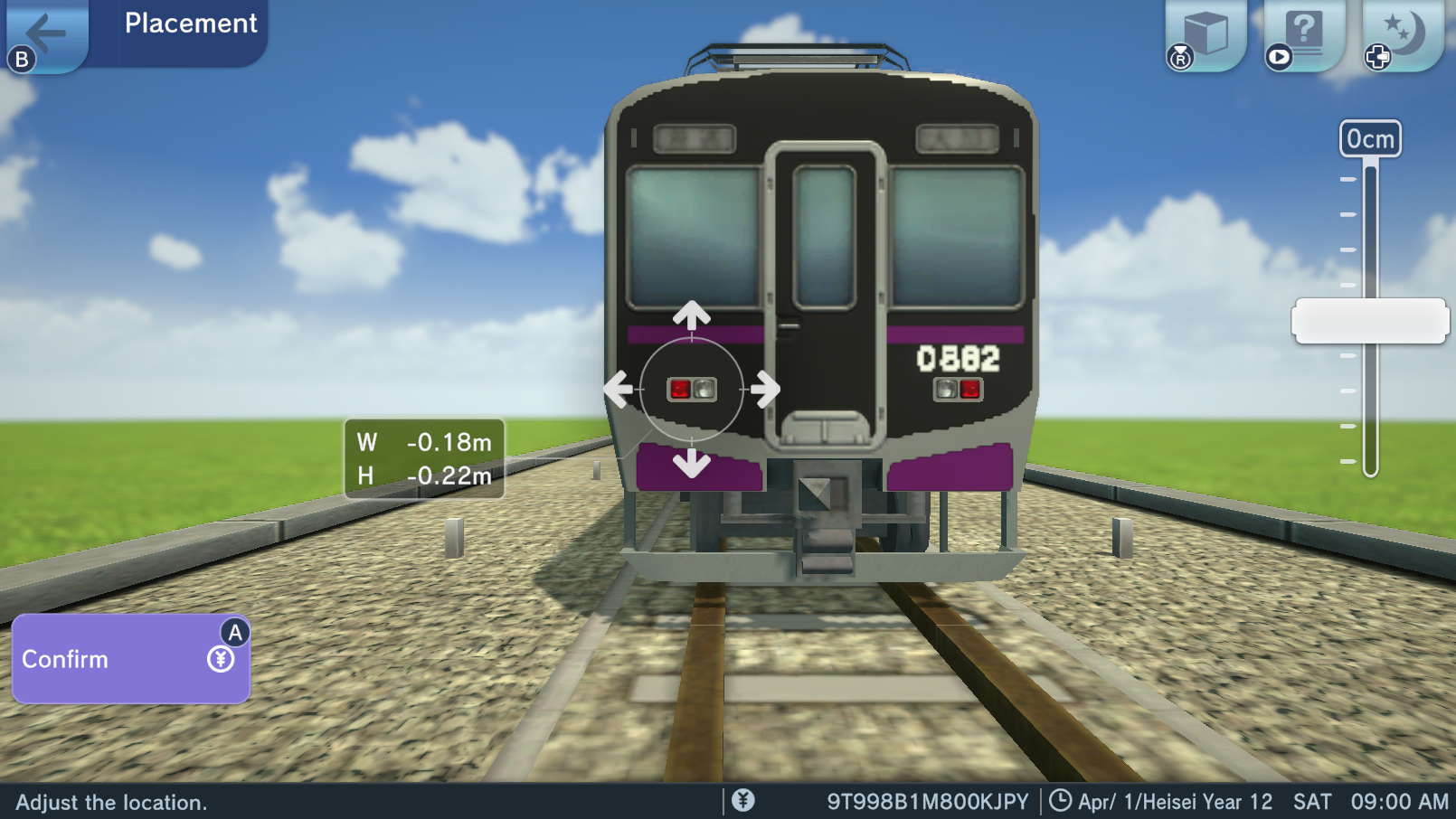
・Added “Both (facing/opposite)” pantograph option for train customization
・Changed so options can be set from the title screen and early in the tutorial
*Please note that scenario additions are in Japanese only.
You can watch it on YouTube, with English subtitles!
Edx Loader Silkroad Today
The modern internet has become a vast marketplace of ideas, tools, and opportunities—an intellectual Silk Road where knowledge, culture, and commerce intersect. Within this landscape, platforms like edX function as major hubs, aggregating learning content from universities and institutions around the world. The phrase “edX loader Silkroad” evokes a compelling metaphor: how do we design the rails and gateways—the loaders—that carry learners, content, and credentials across this contemporary Silk Road? Below is a thought-provoking exploration of that question, blending history, systems thinking, pedagogy, and practical design implications. 1. From Ancient Trade Routes to Digital Knowledge Networks The Silk Road was never just a trade route for silk. It was a conduit for ideas, technologies, languages, religions, and pedagogies. Similarly, modern platforms move more than course videos: they migrate cultural priorities, credentialing norms, and epistemic authority. A digital “loader” like edX—its ingestion pipelines, metadata standards, and recommendation algorithms—determines which knowledge flows where, to whom, and in what form.
Edx Loader Silkroad Today
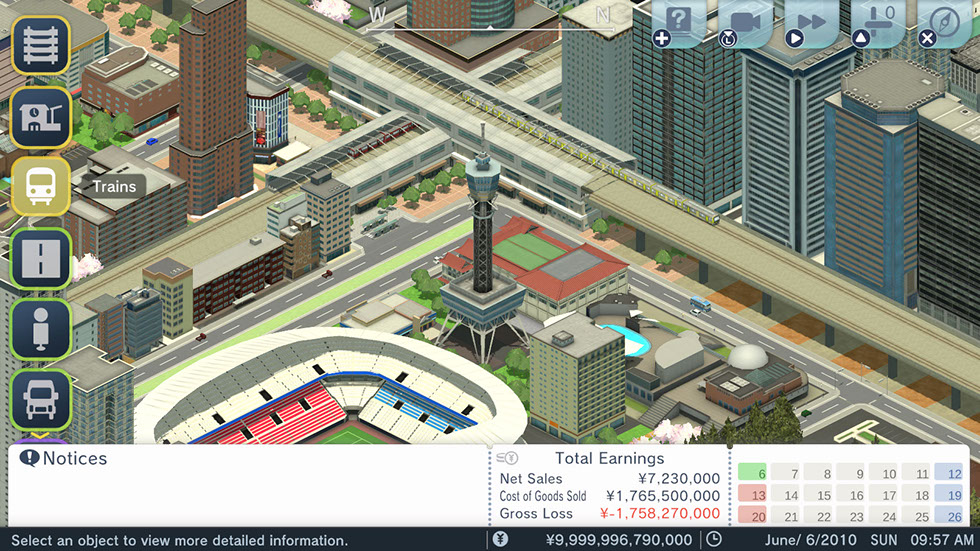
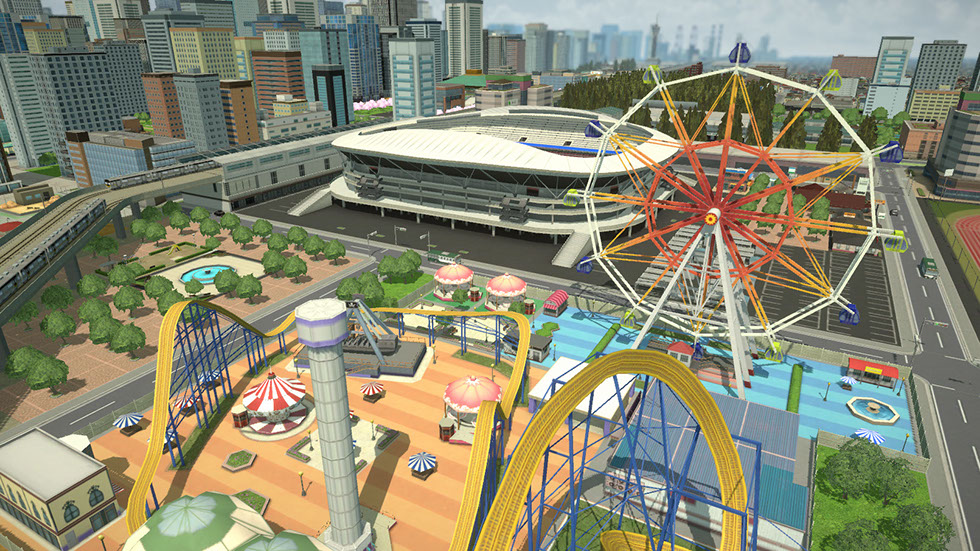
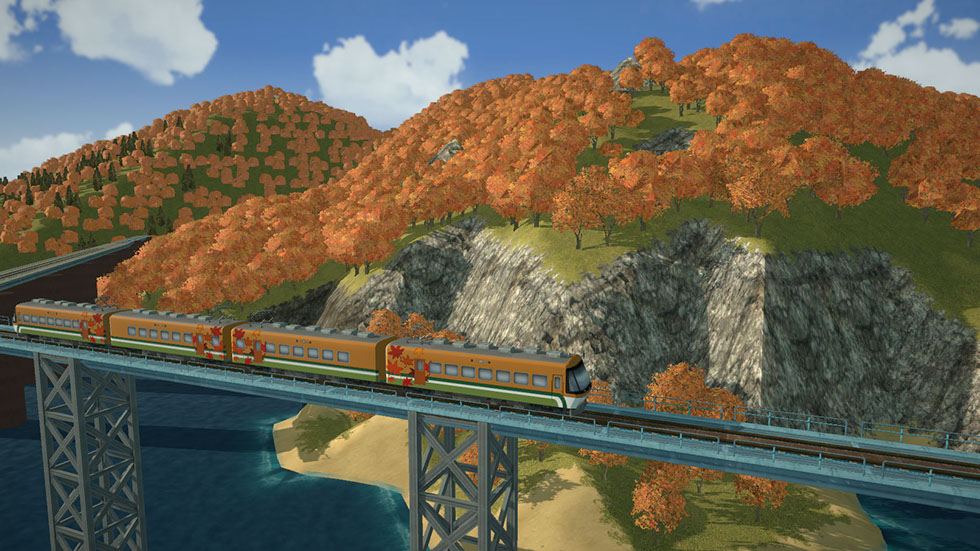
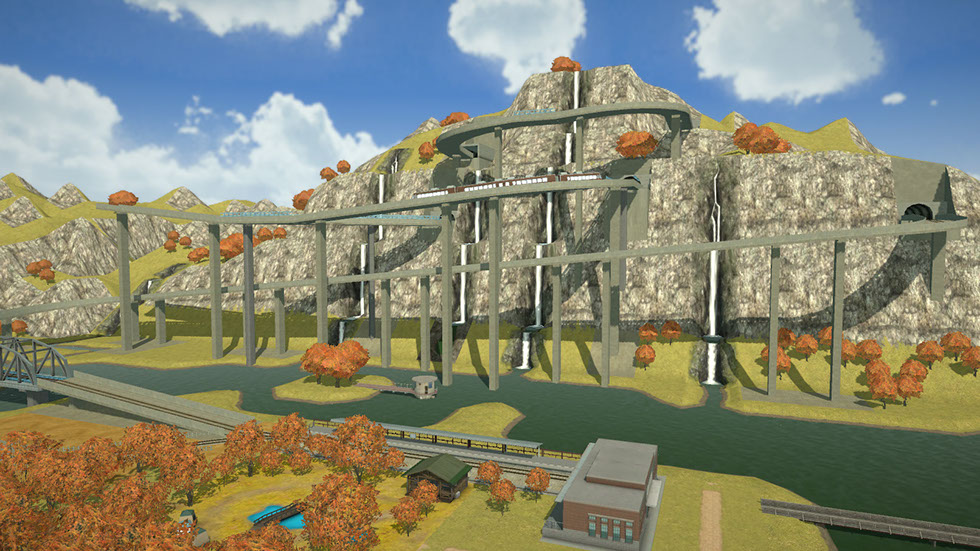
A-Train: All Aboard Tourism is a business simulation game
in which you use the railroad to help towns develop.
In the world of A-Train,
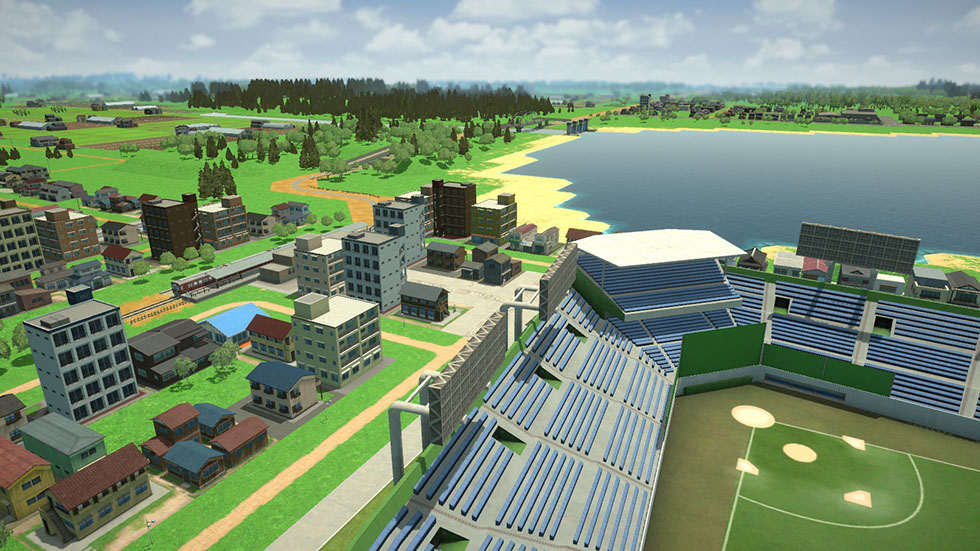
people gather around stations, gradually developing the surrounding town.
As president of your very own railroad company,
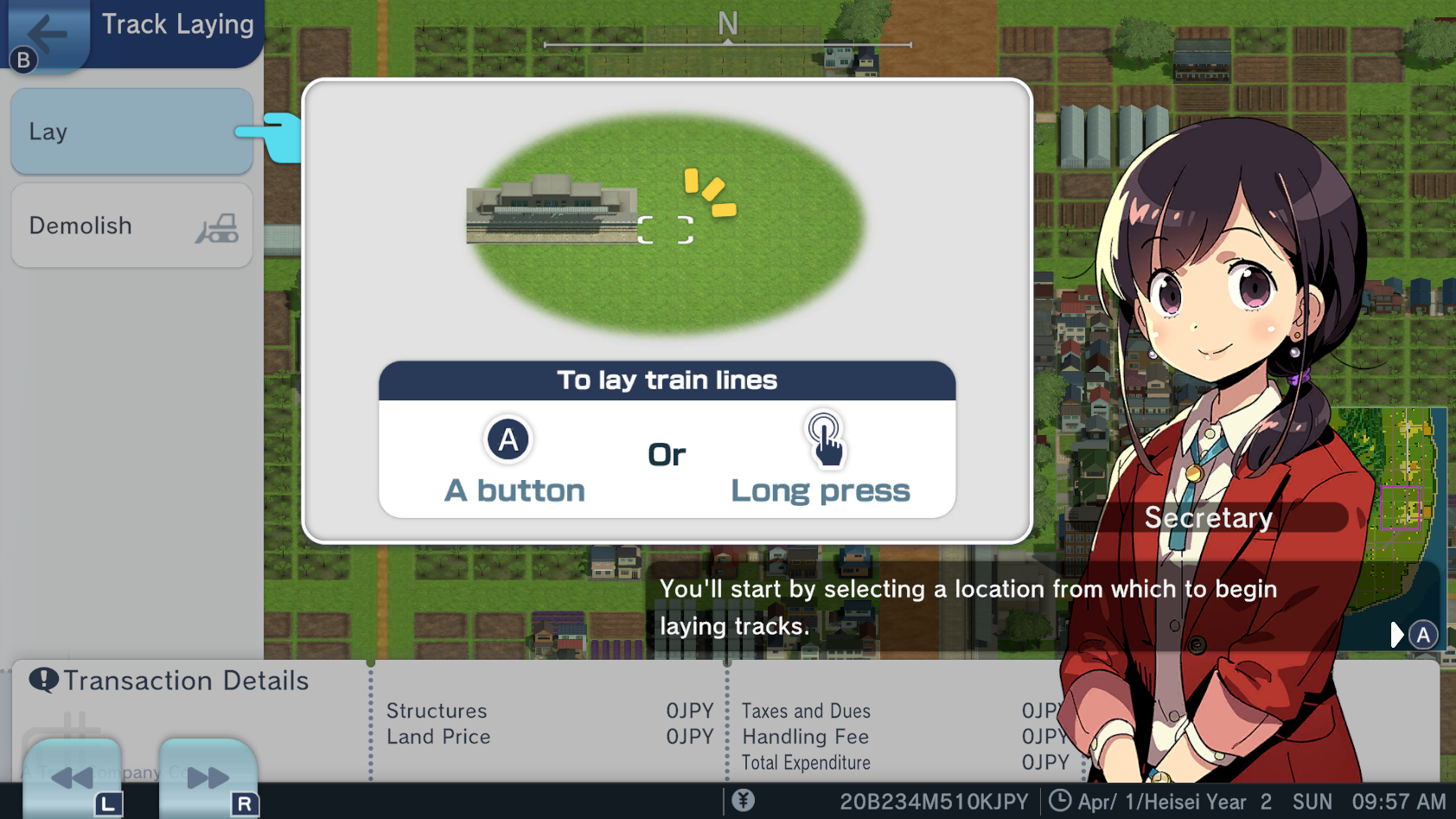
you are free to build stations and lay train lines as you see fit.
What kind of railroad will you create? How will you develop the town?
All these choices and more are yours to make.
However, as company president,
your job is about more than just developing the transportation network.
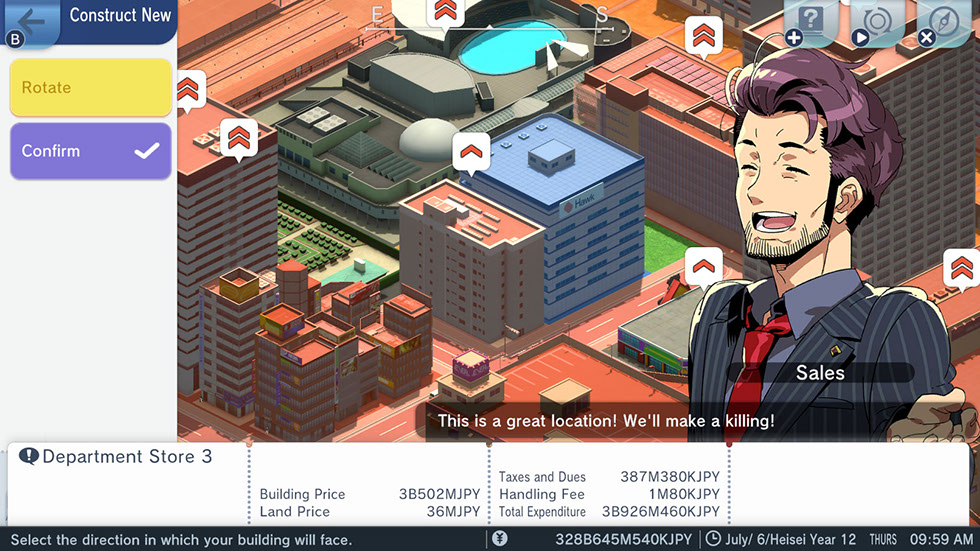
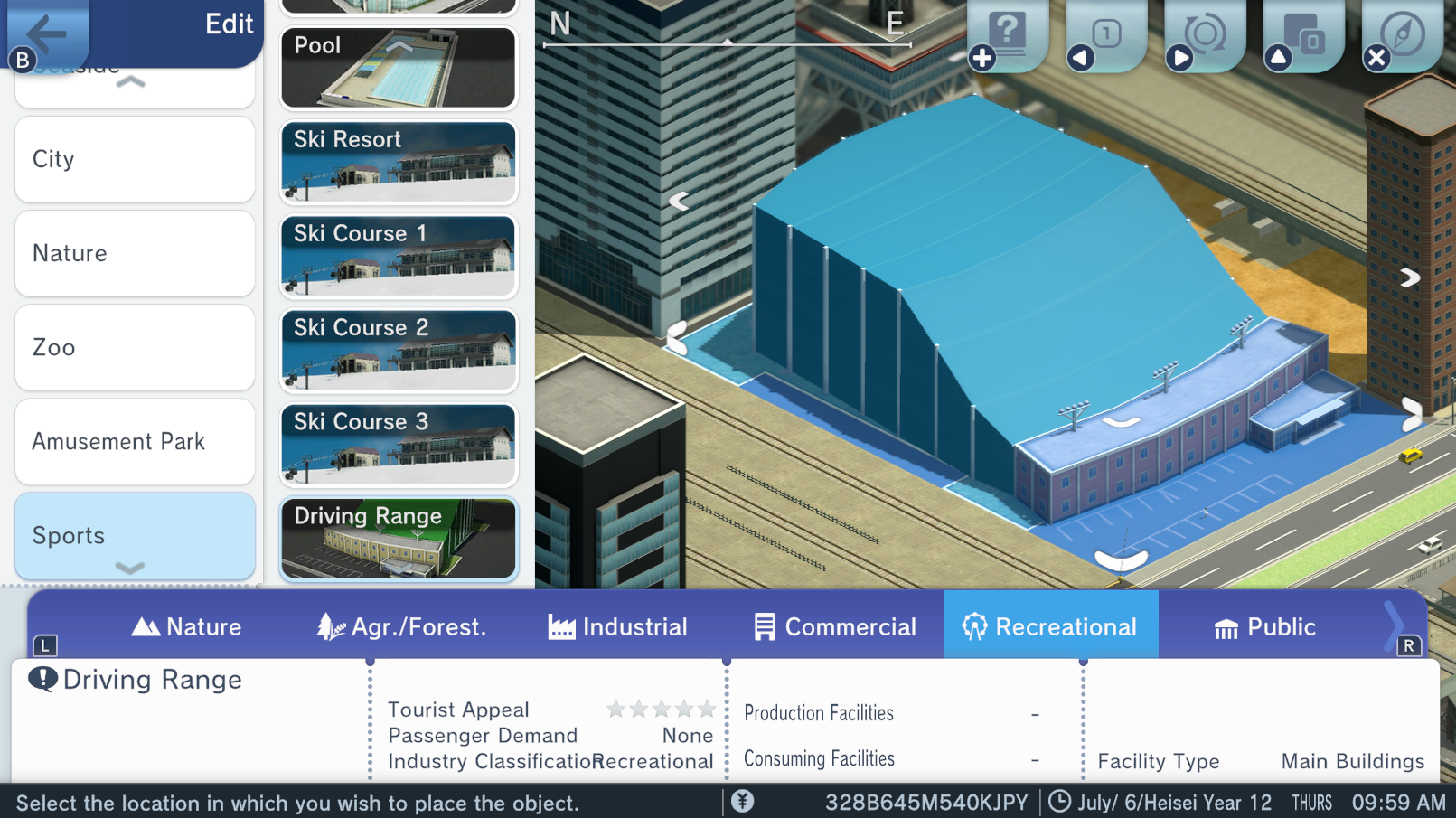
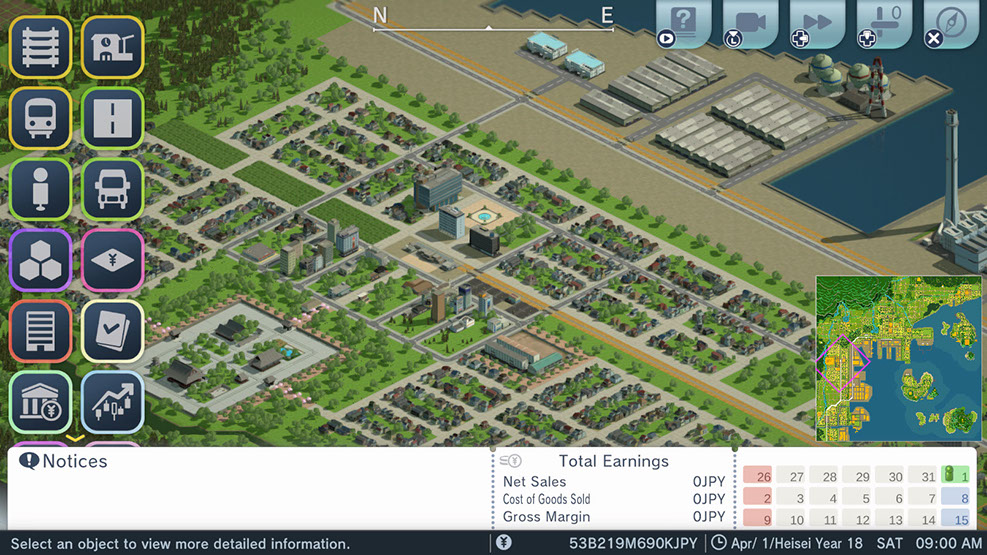
It's important that you decorate your town by establishing subsidiaries
and advertise your company to increase your brand power.
The bigger your company grows,
the more freedom you will have to develop the town,
bringing it ever closer to your ideal.
Edx Loader Silkroad Today
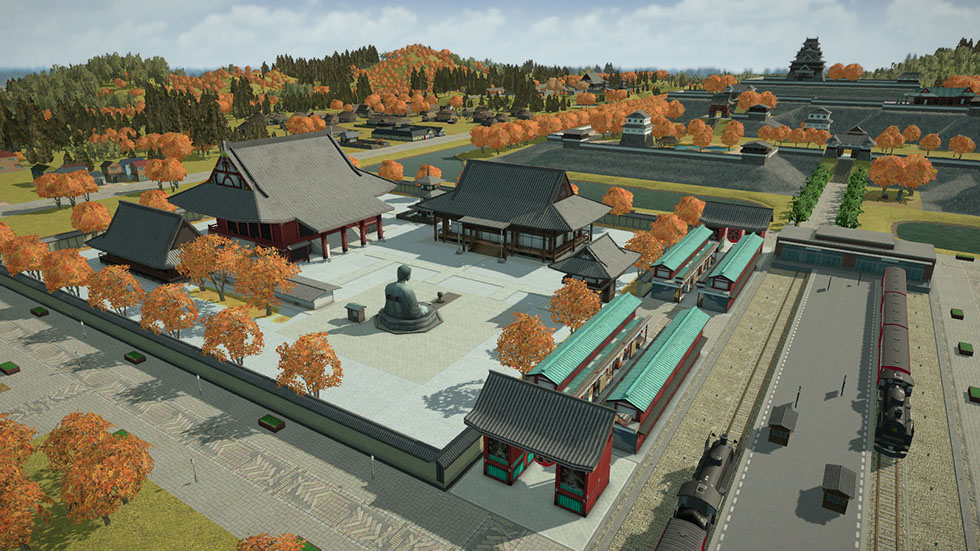
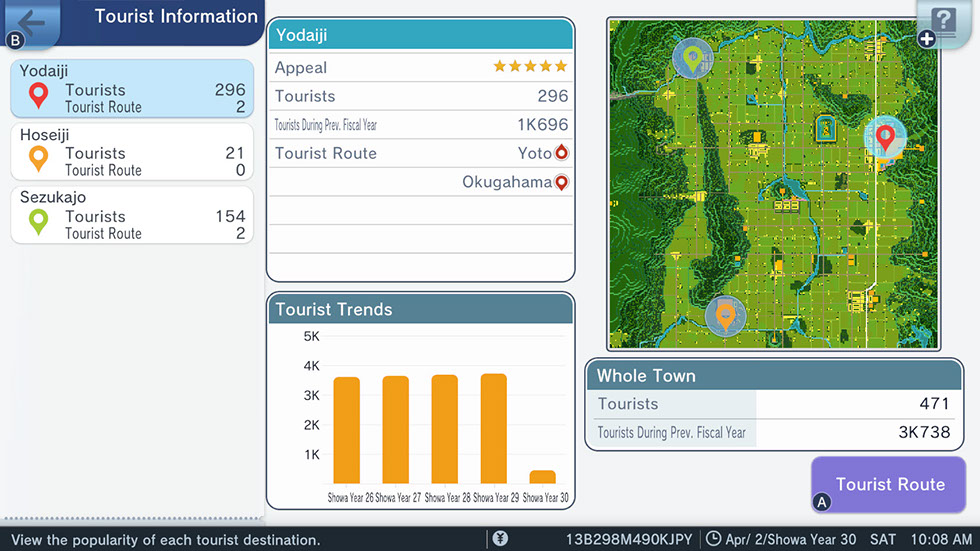
In each town, you will find a variety of tourist attractions,
from idyllic hot spring districts to ancient historical castles.
There are many tourists who would love to visit these locations at least once.
However, whether these locations ever reach their full potential
depends entirely on your skill.
If a destination is difficult to reach, it will receive few visitors,
regardless of how stunning its sights may be.
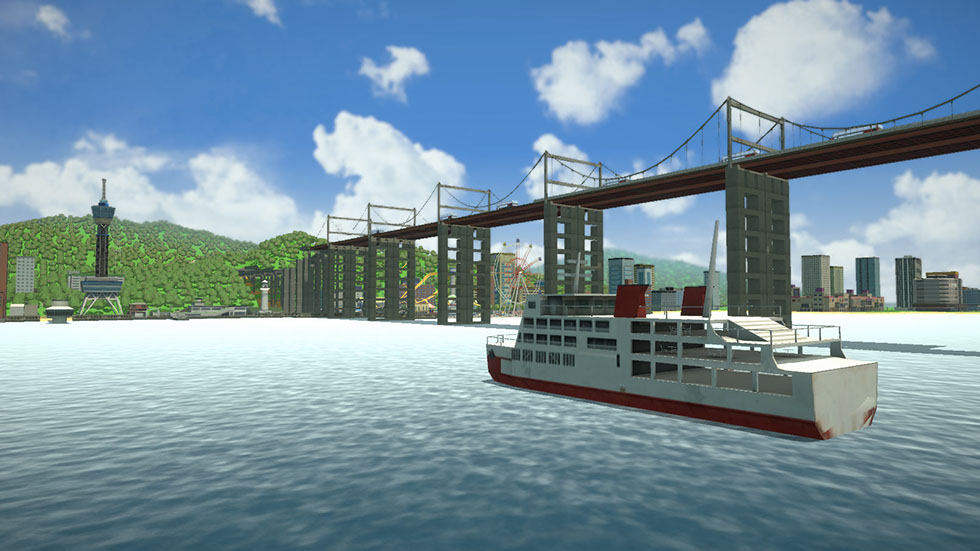
Use the railroad, bus lines, and even ferries to envision and enable enjoyable holidays.
Your success will surely be reflected in the number of tourists flocking to your town.
Edx Loader Silkroad Today
Any town you can envision is yours to create!
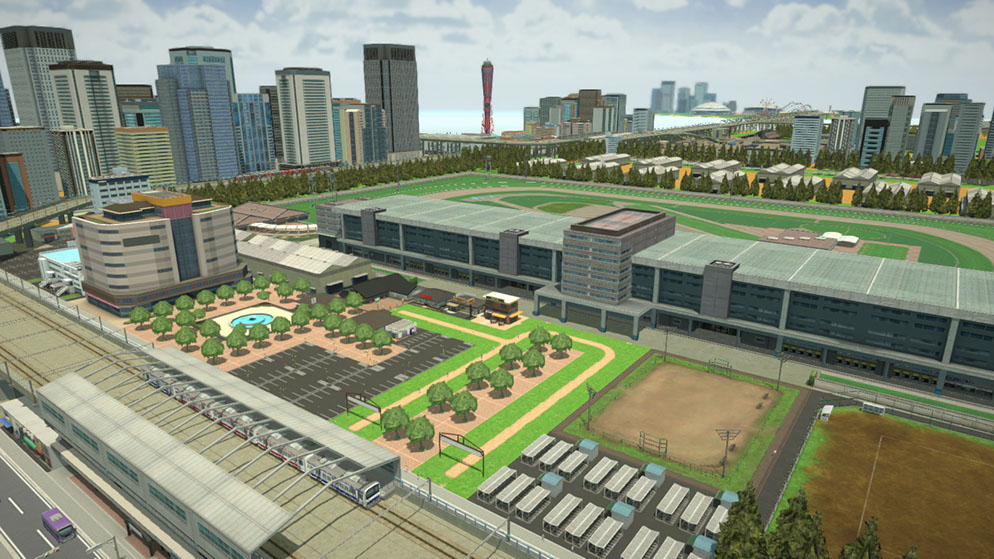
Do you want to see a highly developed metropolis?
Perhaps a quiet town, tucked away in the shadow of its beautiful tourist attractions?
How about a bustling city with a highly efficient transportation network?
You decide the town's future.
This story is yours, told with the help of your friends and associates.
Now, it's time to get started on tourism planning
and begin working towards your ideal city!
The modern internet has become a vast marketplace of ideas, tools, and opportunities—an intellectual Silk Road where knowledge, culture, and commerce intersect. Within this landscape, platforms like edX function as major hubs, aggregating learning content from universities and institutions around the world. The phrase “edX loader Silkroad” evokes a compelling metaphor: how do we design the rails and gateways—the loaders—that carry learners, content, and credentials across this contemporary Silk Road? Below is a thought-provoking exploration of that question, blending history, systems thinking, pedagogy, and practical design implications. 1. From Ancient Trade Routes to Digital Knowledge Networks The Silk Road was never just a trade route for silk. It was a conduit for ideas, technologies, languages, religions, and pedagogies. Similarly, modern platforms move more than course videos: they migrate cultural priorities, credentialing norms, and epistemic authority. A digital “loader” like edX—its ingestion pipelines, metadata standards, and recommendation algorithms—determines which knowledge flows where, to whom, and in what form.